
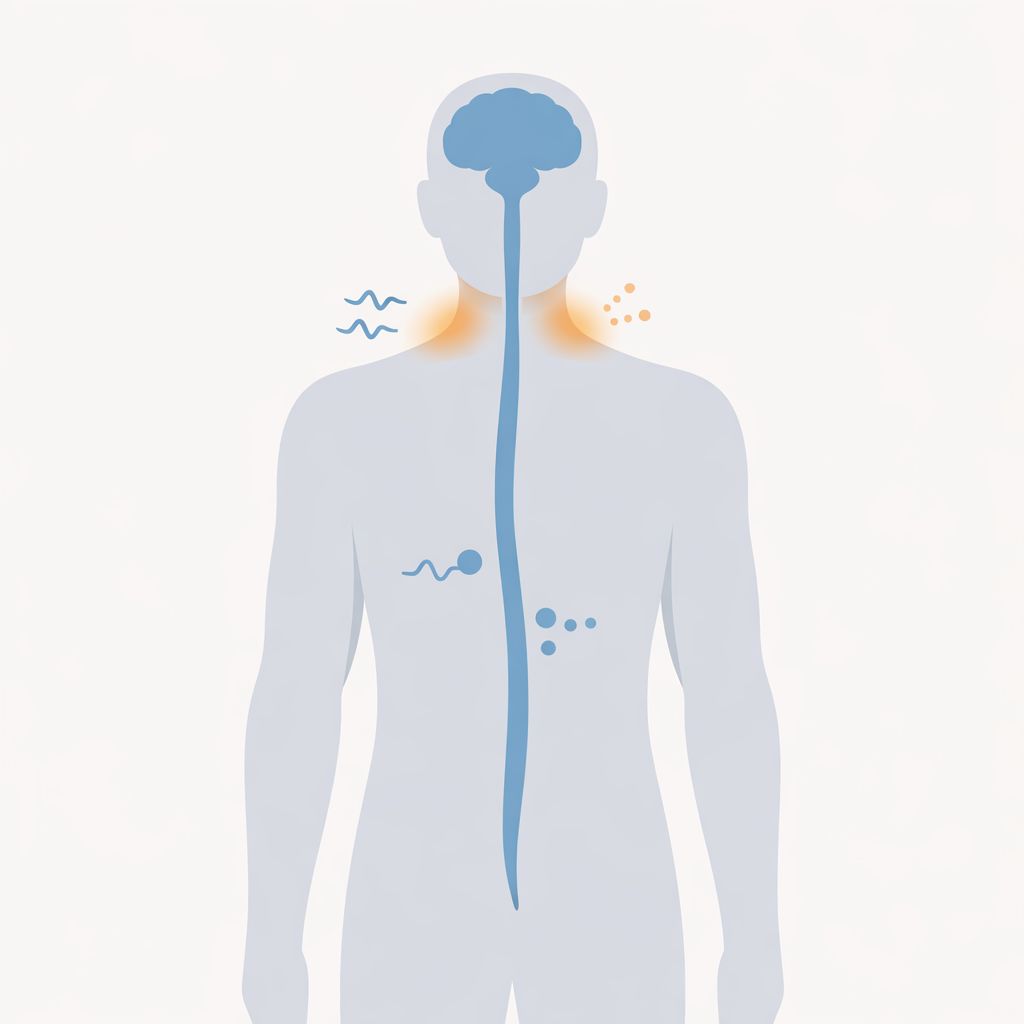
Tetanus
Tetanus is a serious but rare bacterial infection caused by Clostridium tetani. The bacteria produce a toxin that affects the nervous system, causing painful muscle stiffness and spasms that can be life-threatening.
Tetanus bacteria are found in soil, manure and dust and enter the body through wounds, burns or animal bites. The infection is not spread from person to person.
Symptoms usually develop within 4 to 21 days of infection and may include stiffness in the jaw (lockjaw), difficulty swallowing, muscle stiffness and spasms, fever and sweating.
A tetanus IgG antibody blood test measures immunity to tetanus, helping determine whether booster vaccination is needed. Tetanus vaccination is part of the UK childhood immunisation schedule, with boosters recommended for travel and after certain injuries.
Causes of Tetanus
Tetanus is caused by the bacterium Clostridium tetani, which produces a potent neurotoxin called tetanospasmin. The bacteria form spores that are found widely in soil, dust, animal faeces and rusty metal.
Infection occurs when spores enter the body through breaks in the skin, particularly:
- Deep puncture wounds contaminated with soil or manure
- Burns
- Crush injuries or wounds with devitalised tissue
- Animal bites
- Body piercings, tattoos or injecting drug use with unsterile equipment
Tetanus is entirely preventable through vaccination. The UK immunisation schedule provides five doses of tetanus vaccine during childhood and adolescence, conferring long-lasting protection. Boooster doses may be needed for wound management or travel.
Tests that can help check this condition
 Learn more on the official NHS page .
Clinical review

Dr. Shahzaib Ahmad MBBS, BSc, MRCP, FRCA, FFICM
Clinical Supervisor - Vitall|GMC 7495062|Profile
Reviewed on 13/10/2026
Next review due 13/10/2027
Review focus: Blood biomarkers, laboratory testing methodology, and biochemical interpretation.
