
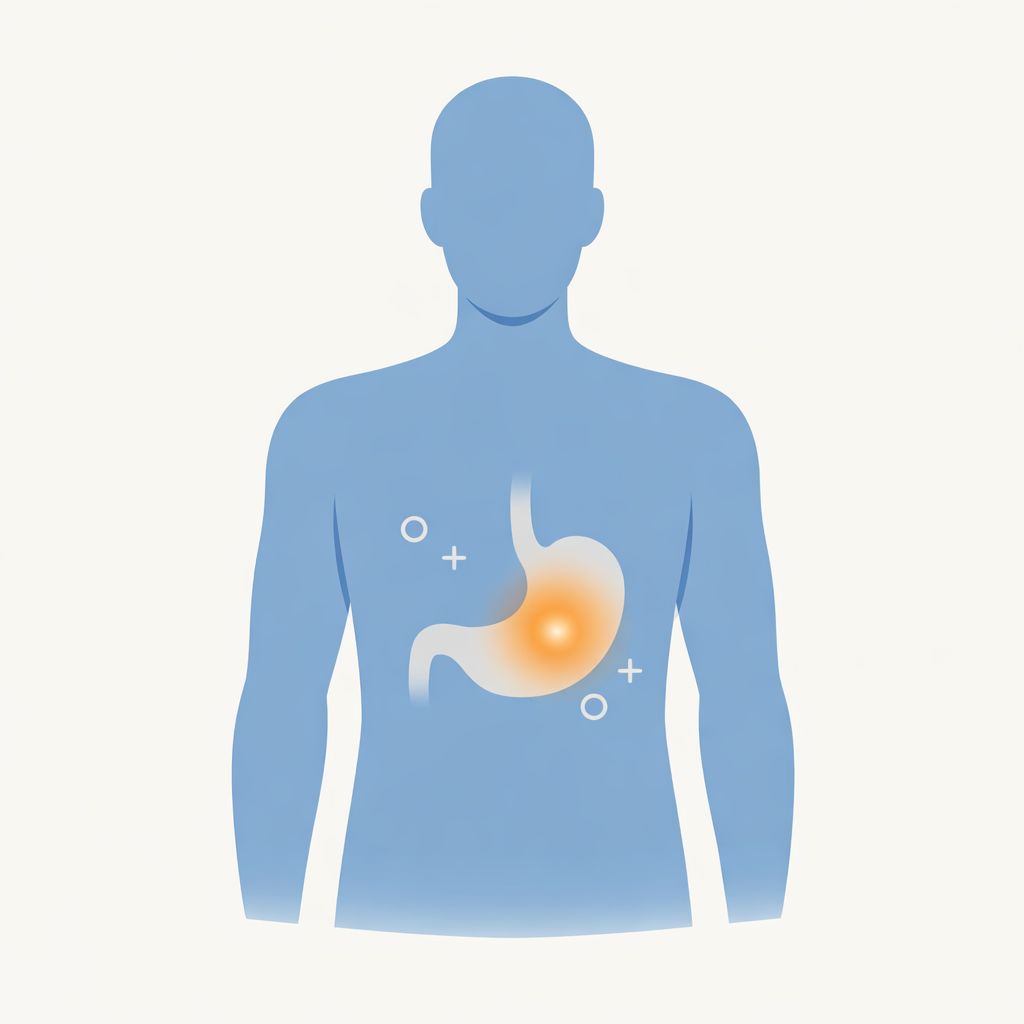
Stomach ulcers
Stomach ulcers (gastric ulcers) are open sores that develop on the lining of the stomach. Together with duodenal ulcers, they are known as peptic ulcers.
The two most common causes are infection with the bacterium Helicobacter pylori (H. pylori) and long-term use of non-steroidal anti-inflammatory drugs (NSAIDs) such as ibuprofen and aspirin.
Symptoms may include a burning or gnawing pain in the centre of the abdomen, indigestion, heartburn, nausea and loss of appetite. The pain often occurs shortly after eating.
A stool antigen test for H. pylori can detect active infection. If H. pylori is found, treatment with a combination of antibiotics and a proton pump inhibitor is effective at clearing the infection and allowing the ulcer to heal.
Causes of Stomach ulcers
The two main causes of stomach ulcers are:
- Helicobacter pylori infection, a bacterium that lives in the stomach lining. H. pylori weakens the protective mucus layer, allowing acid to damage the underlying tissue. It is estimated to infect around half the world's population, though only a minority develop ulcers
- Non-steroidal anti-inflammatory drugs (NSAIDs) such as ibuprofen, naproxen and aspirin, which inhibit the production of prostaglandins that help protect the stomach lining. Long-term or high-dose use increases ulcer risk significantly
Less common causes include:
- Zollinger-Ellison syndrome, a rare condition causing excess stomach acid production
- Severe physiological stress from critical illness, major surgery or severe burns (stress ulcers)
Smoking, excessive alcohol consumption and a diet high in spicy foods do not cause ulcers but can worsen symptoms and delay healing.
Tests that can help check this condition
 Learn more on the official NHS page .
Clinical review

Dr. Shahzaib Ahmad MBBS, BSc, MRCP, FRCA, FFICM
Clinical Supervisor - Vitall|GMC 7495062|Profile
Reviewed on 13/10/2026
Next review due 13/10/2027
Review focus: Blood biomarkers, laboratory testing methodology, and biochemical interpretation.
