
Stomach cancer
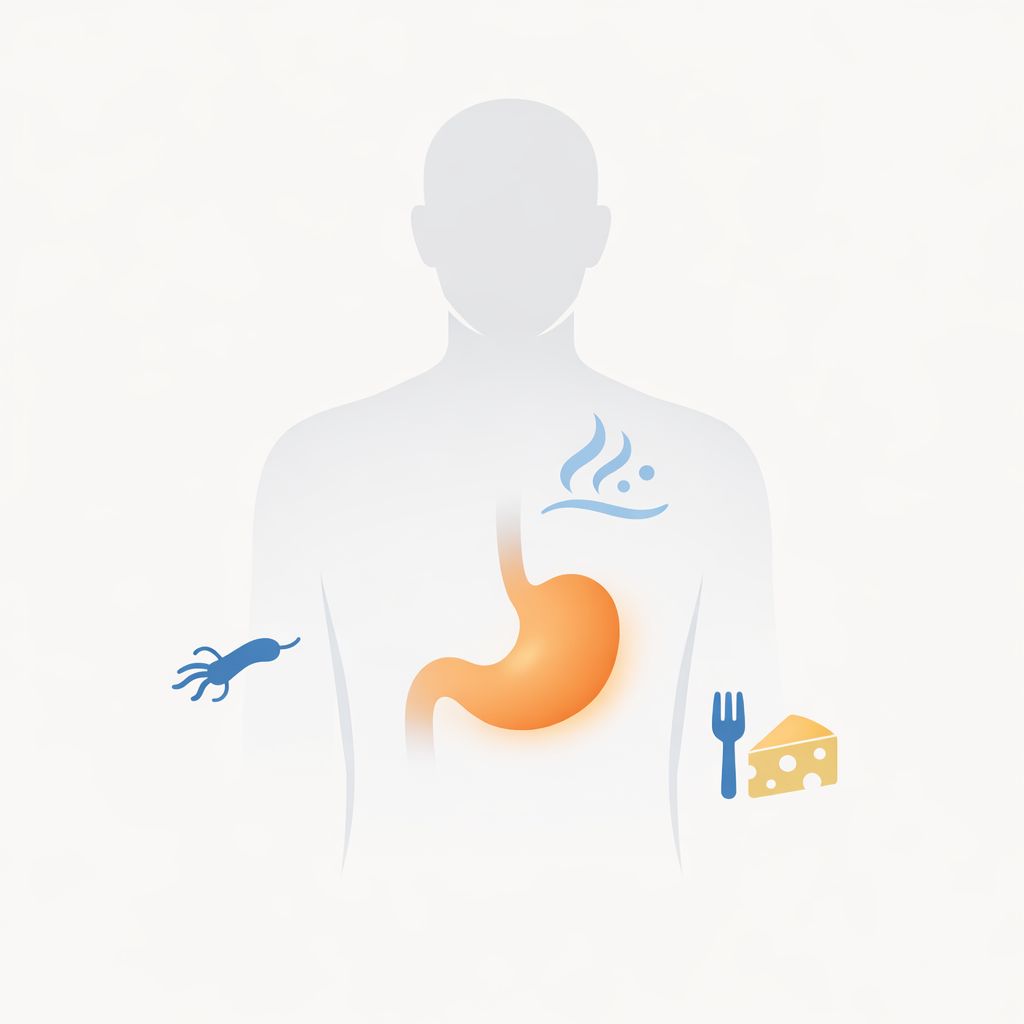
Stomach cancer (gastric cancer) develops in the lining of the stomach. It is more common in older adults and in men. Risk factors include infection with Helicobacter pylori, smoking, a diet high in smoked or pickled foods and a family history of stomach cancer.
Early stomach cancer often causes no symptoms. As the disease progresses, symptoms may include persistent indigestion, difficulty swallowing, unexplained weight loss, feeling full after small meals and blood in the stool.
The tumour marker CA 72-4 may be elevated in some cases of stomach cancer and is used alongside clinical assessment and imaging. It is most useful for monitoring treatment response rather than as a primary screening tool.
Causes of Stomach cancer
Stomach cancer develops when cells in the stomach lining undergo genetic changes that cause them to grow uncontrollably. Several factors increase this risk:
- Helicobacter pylori infection is the most significant risk factor, causing chronic inflammation of the stomach lining that can progress to precancerous changes over many years
- Smoking roughly doubles the risk of stomach cancer
- Diet high in salt, smoked foods and pickled vegetables, alongside a low intake of fresh fruit and vegetables
- Age and sex, with higher rates in men and in people over 50
- Family history and certain inherited conditions such as hereditary diffuse gastric cancer and Lynch syndrome
- Pernicious anaemia and other conditions that cause atrophic gastritis
Tests that can help check this condition
 Learn more on the official NHS page .
Clinical review

Dr. Shahzaib Ahmad MBBS, BSc, MRCP, FRCA, FFICM
Clinical Supervisor - Vitall|GMC 7495062|Profile
Reviewed on 13/10/2026
Next review due 13/10/2027
Review focus: Blood biomarkers, laboratory testing methodology, and biochemical interpretation.
