
Rubella
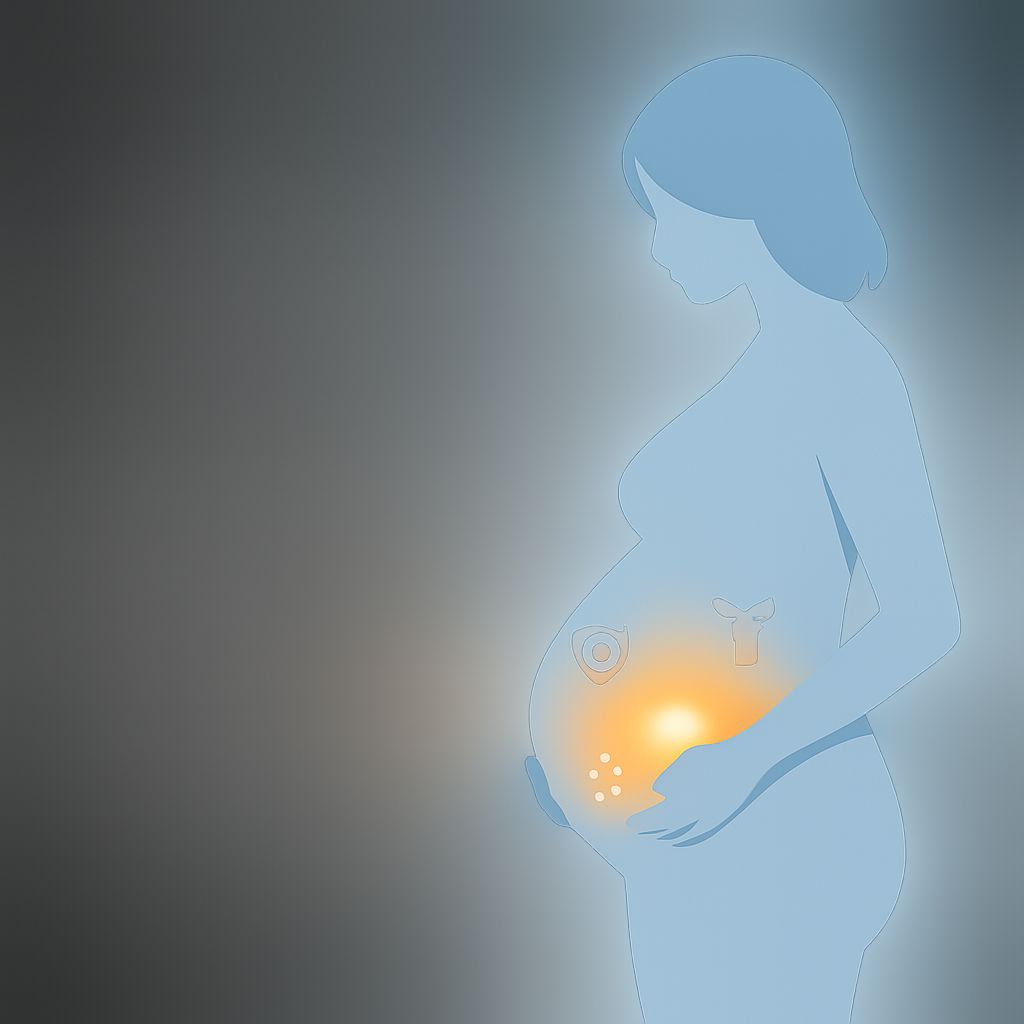
Rubella (German measles) is a viral infection that is usually mild in children and adults, causing a rash, mild fever and swollen glands. However, rubella infection during pregnancy, particularly in the first 20 weeks, can cause serious birth defects known as congenital rubella syndrome.
Congenital rubella syndrome can lead to deafness, cataracts, heart defects and learning difficulties in the baby. This is why rubella immunity is checked in women planning pregnancy or in early pregnancy.
A rubella IgG antibody blood test confirms whether you have immunity to rubella, either from previous infection or vaccination. The MMR vaccine provides effective protection and is part of the UK childhood immunisation programme.
Causes of Rubella
Rubella is caused by the rubella virus, which spreads through respiratory droplets from coughs and sneezes. It is contagious from about one week before the rash appears to about four days after.
The primary medical concern is infection during pregnancy. The rubella virus can cross the placenta and infect the developing foetus, causing congenital rubella syndrome. The risk of harm to the baby is highest during the first trimester.
Thanks to the MMR vaccination programme, rubella has become very rare in the UK. However, immunity should be confirmed before pregnancy, as not all individuals develop adequate immunity from a single vaccination dose.
Tests that can help check this condition
 Learn more on the official NHS page .
Clinical review

Dr. Shahzaib Ahmad MBBS, BSc, MRCP, FRCA, FFICM
Clinical Supervisor - Vitall|GMC 7495062|Profile
Reviewed on 13/10/2026
Next review due 13/10/2027
Review focus: Blood biomarkers, laboratory testing methodology, and biochemical interpretation.
