
Rheumatoid arthritis
Rheumatoid arthritis (RA) is a long-term autoimmune condition that causes pain, swelling and stiffness in the joints. Unlike osteoarthritis, which results from wear and tear, RA occurs when the immune system mistakenly attacks the tissue lining the joints.
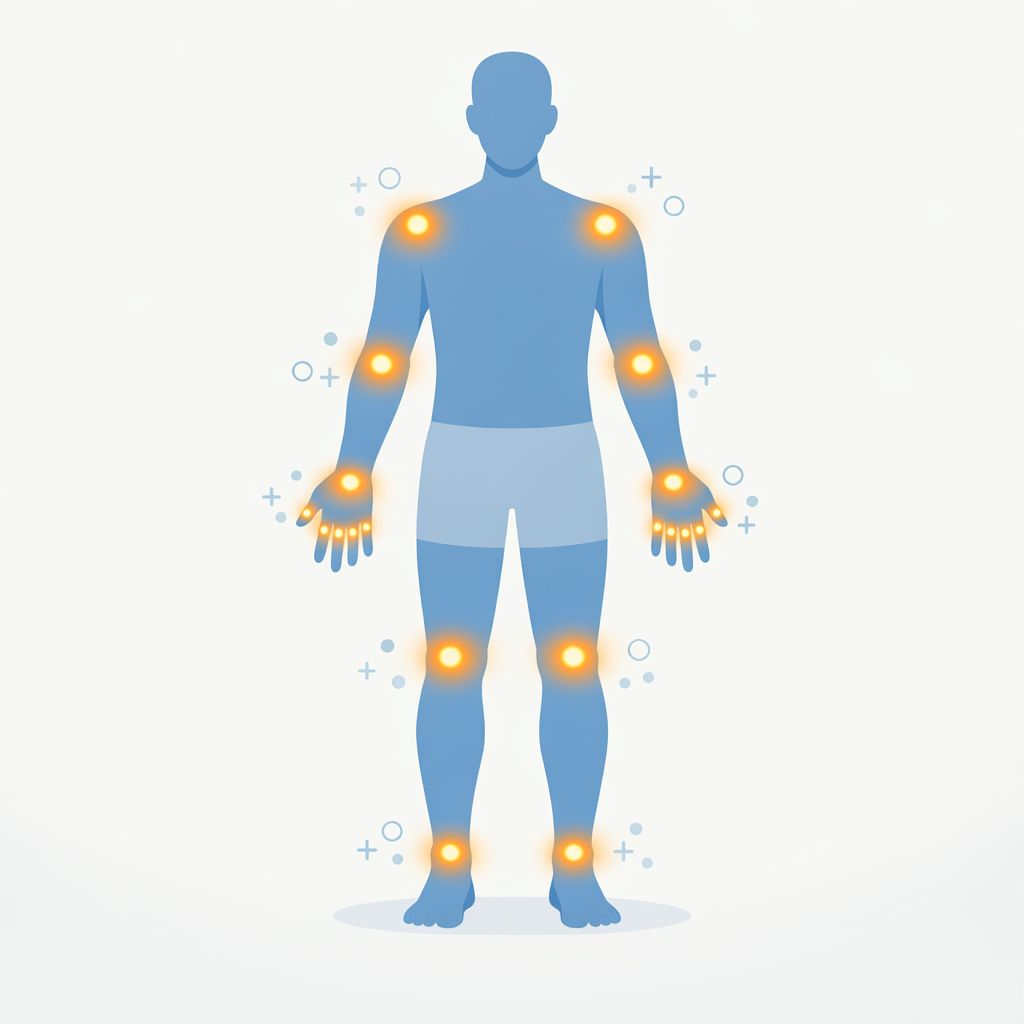
It typically affects the hands, feet and wrists first, and symptoms often appear symmetrically on both sides of the body. RA affects around 1% of the UK population and is more common in women than men. It usually develops between the ages of 30 and 50.
Symptoms may include:
- Joint pain, swelling and stiffness, particularly in the morning
- Fatigue and general feeling of being unwell
- Warm, red skin over the affected joints
Blood tests for rheumatoid factor (RF), anti-CCP antibodies and C-reactive protein (CRP) help support diagnosis and monitor disease activity. Early diagnosis and treatment with disease-modifying anti-rheumatic drugs (DMARDs) can slow joint damage and improve long-term outcomes.
Causes of Rheumatoid arthritis
Rheumatoid arthritis is an autoimmune condition, meaning the immune system malfunctions and attacks healthy tissue. In RA, the primary target is the synovium, the thin membrane that lines the joints. This causes chronic inflammation that can progressively damage cartilage, bone and surrounding structures.
The exact cause of this immune dysfunction is not fully understood, but several factors are known to increase risk:
- Genetics account for a significant proportion of susceptibility. Certain gene variants, particularly HLA-DR4, are strongly associated with RA. Having a close relative with the condition increases your risk
- Smoking is the most significant modifiable risk factor. It increases both the likelihood of developing RA and the severity of the disease, particularly in genetically susceptible individuals
- Hormonal factors may contribute, given that RA is two to three times more common in women. Fluctuations in oestrogen levels, including those during pregnancy and menopause, appear to influence disease onset and activity
- Infections have been proposed as possible triggers in genetically predisposed individuals, though no single pathogen has been definitively identified
RA is not caused by wear and tear and should not be confused with osteoarthritis. It is a systemic condition that can also affect the eyes, lungs, heart and blood vessels.
Tests that can help check this condition
 Learn more on the official NHS page .
Clinical review

Dr. Shahzaib Ahmad MBBS, BSc, MRCP, FRCA, FFICM
Clinical Supervisor - Vitall|GMC 7495062|Profile
Reviewed on 13/10/2026
Next review due 13/10/2027
Review focus: Blood biomarkers, laboratory testing methodology, and biochemical interpretation.
