
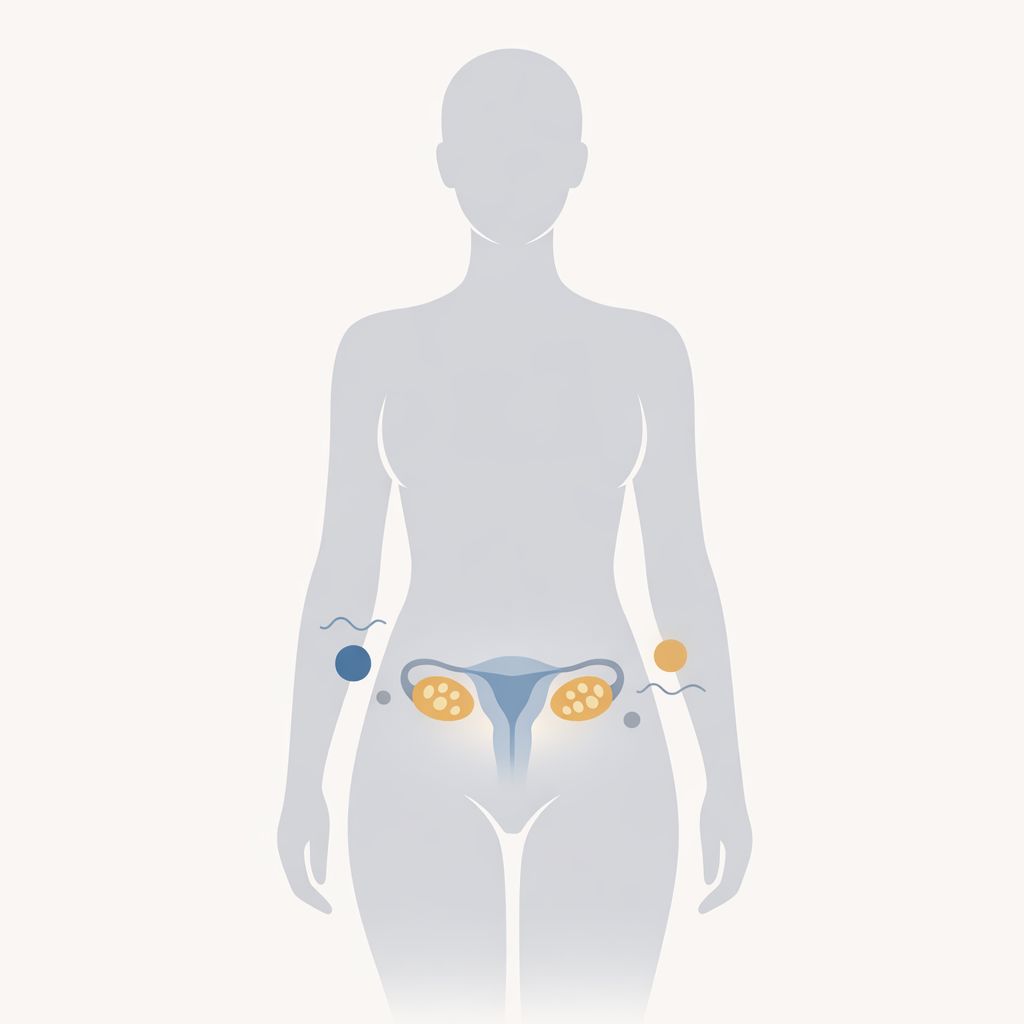
Polycystic ovary syndrome
Polycystic ovary syndrome (PCOS) is a common hormonal condition affecting up to 1 in 10 women of reproductive age in the UK. It is characterised by a combination of hormonal imbalances, irregular periods and, in some cases, small fluid-filled sacs (follicles) on the ovaries.
Symptoms vary but may include:
- Irregular or absent periods
- Excess hair growth on the face and body (hirsutism)
- Acne and oily skin
- Weight gain and difficulty losing weight
- Thinning hair on the scalp
PCOS is associated with insulin resistance and an increased long-term risk of type 2 diabetes and cardiovascular disease. Blood tests for testosterone, free androgen index, sex hormone-binding globulin (SHBG) and DHEA-S help assess androgen levels. Luteinising hormone (LH) and follicle-stimulating hormone (FSH) ratios also support diagnosis.
Causes of Polycystic ovary syndrome
The exact cause of PCOS is not fully understood, but it is thought to involve a combination of genetic and metabolic factors:
- Insulin resistance is present in up to 70% of women with PCOS. When cells become less responsive to insulin, the body produces more of it, which in turn stimulates the ovaries to produce excess androgens (male hormones)
- Elevated androgens disrupt the normal ovarian cycle, preventing follicles from maturing and being released (ovulation). This leads to irregular periods and the accumulation of small follicles on the ovaries
- Genetics play a clear role. PCOS tends to run in families, and multiple gene variants have been associated with the condition
- Low-grade inflammation has been observed in women with PCOS and may contribute to increased androgen production
Being overweight exacerbates insulin resistance and can worsen PCOS symptoms, though the condition also affects women of normal weight. PCOS is not caused by anything the individual has done.
Tests that can help check this condition
 Learn more on the official NHS page .
Clinical review

Dr. Shahzaib Ahmad MBBS, BSc, MRCP, FRCA, FFICM
Clinical Supervisor - Vitall|GMC 7495062|Profile
Reviewed on 13/10/2026
Next review due 13/10/2027
Review focus: Blood biomarkers, laboratory testing methodology, and biochemical interpretation.
