
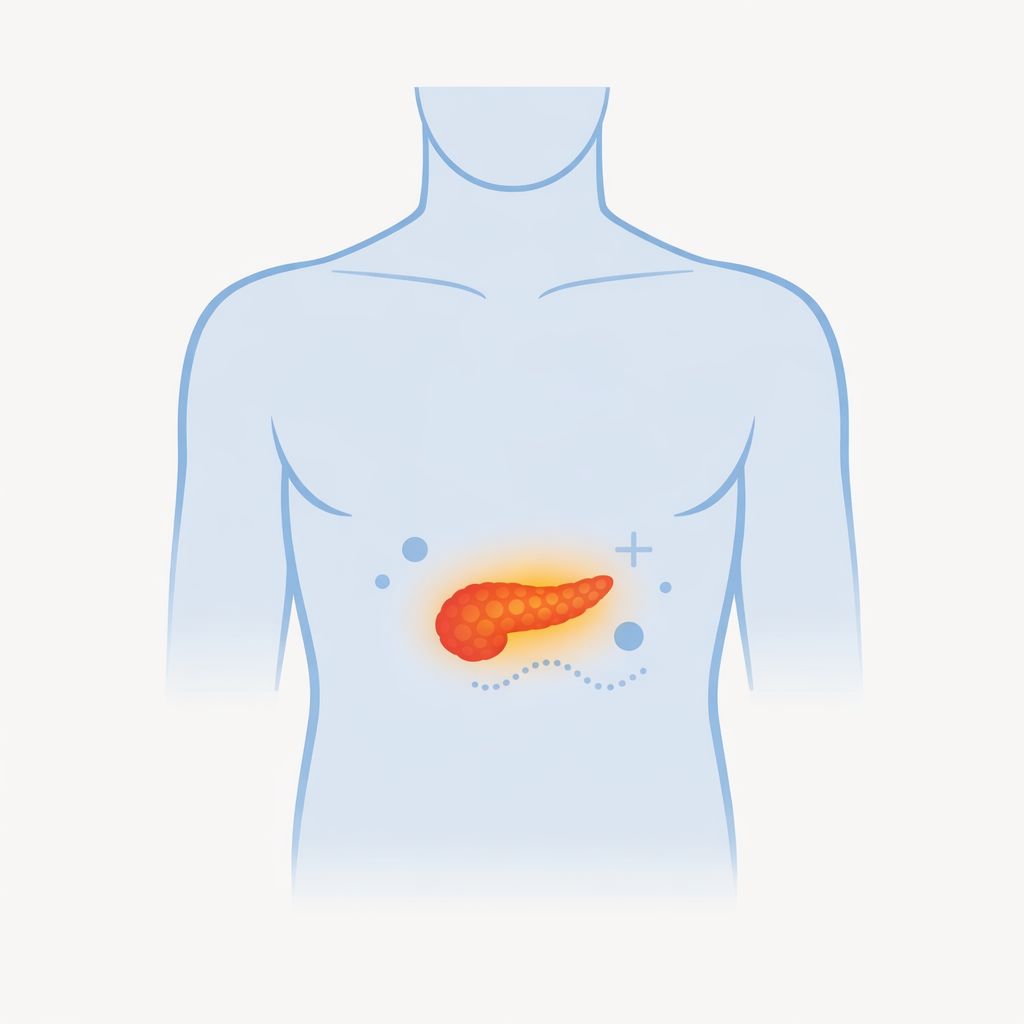
Pancreatitis
Pancreatitis is inflammation of the pancreas, a gland behind the stomach that produces digestive enzymes and insulin. Acute pancreatitis comes on suddenly and usually resolves within a few days with treatment, while chronic pancreatitis causes lasting damage over time.
The two most common causes are gallstones and heavy alcohol consumption. Symptoms of acute pancreatitis typically include severe abdominal pain that radiates to the back, nausea, vomiting and a tender abdomen.
Blood tests for lipase and pancreatic amylase measure levels of digestive enzymes produced by the pancreas. In acute pancreatitis, these enzymes leak into the bloodstream in significantly elevated amounts. Lipase is considered the more specific marker of the two.
Causes of Pancreatitis
The two most common causes of acute pancreatitis are:
- Gallstones, which account for approximately 40 to 50% of cases. A gallstone can temporarily block the common bile duct where it joins the pancreatic duct, causing digestive enzymes to back up and damage the pancreas
- Alcohol, which accounts for around 25 to 35% of cases. Heavy drinking causes direct toxic injury to pancreatic cells and is also the leading cause of chronic pancreatitis
Less common causes include:
- High triglyceride levels
- Certain medications
- Autoimmune conditions
- Procedures such as ERCP (endoscopic retrograde cholangiopancreatography)
- Genetic factors, including mutations associated with hereditary pancreatitis
In around 15 to 25% of cases, no clear cause is identified (idiopathic pancreatitis).
Tests that can help check this condition
 Learn more on the official NHS page .
Clinical review

Dr. Shahzaib Ahmad MBBS, BSc, MRCP, FRCA, FFICM
Clinical Supervisor - Vitall|GMC 7495062|Profile
Reviewed on 12/10/2026
Next review due 12/10/2027
Review focus: Blood biomarkers, laboratory testing methodology, and biochemical interpretation.
