
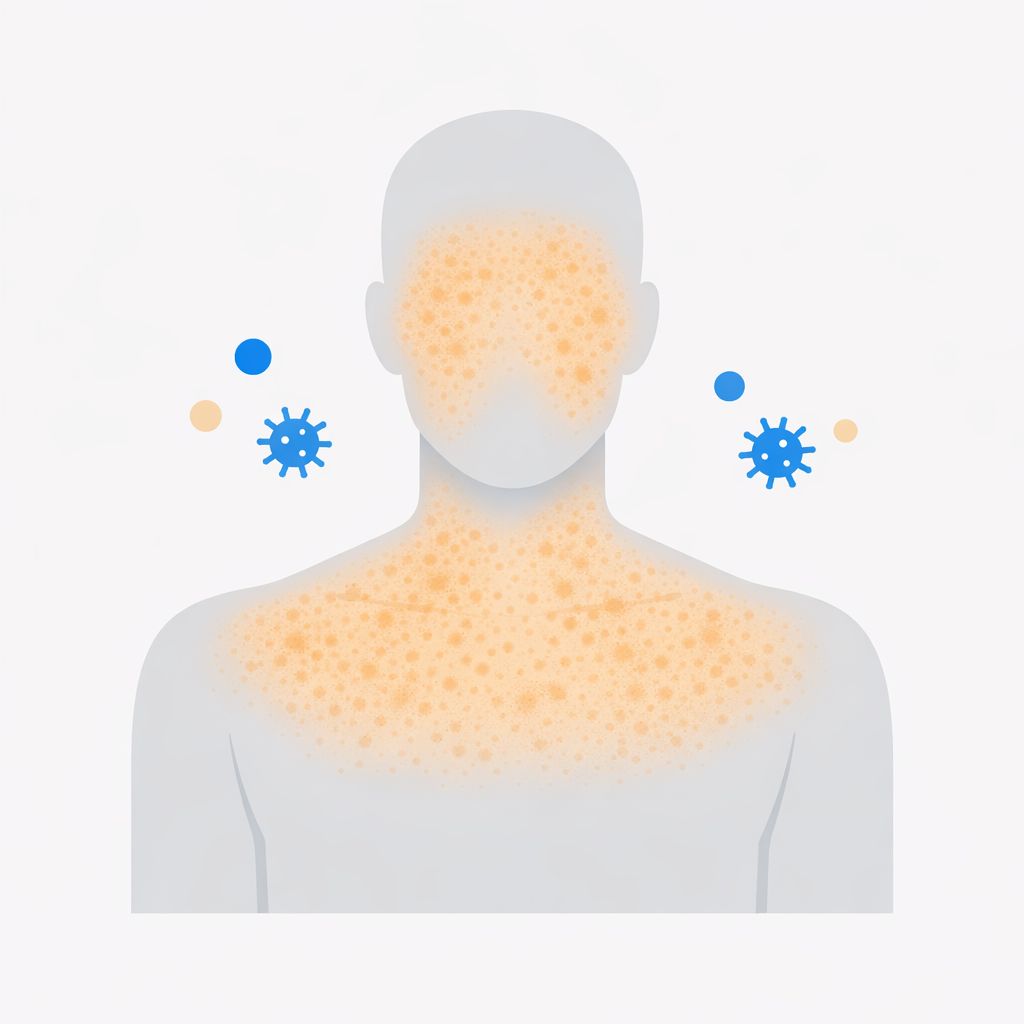
Measles
Measles is a highly infectious viral illness that can be serious, particularly in young children, pregnant women and people with weakened immune systems. It spreads very easily through coughs and sneezes.
Symptoms usually develop 7 to 14 days after exposure and include a high temperature, runny nose, cough, red and sore eyes, and a distinctive red-brown blotchy rash that typically starts on the head and spreads to the rest of the body.
Complications can include pneumonia, encephalitis (inflammation of the brain) and, rarely, death. The MMR vaccine (measles, mumps and rubella) is the most effective way to prevent measles and is offered as part of the UK childhood immunisation schedule.
A measles IgG antibody blood test checks whether you have immunity to measles, either from previous infection or vaccination.
Causes of Measles
Measles is caused by the measles virus, a paramyxovirus that is one of the most contagious pathogens known. It spreads through respiratory droplets and can remain airborne for up to two hours in an enclosed space.
An unvaccinated person exposed to measles has a roughly 90% chance of becoming infected. Factors that increase risk of infection and complications include:
- Not being vaccinated (or incomplete vaccination)
- Age under 5 or over 20
- Pregnancy
- Immunosuppression
- Vitamin A deficiency
Two doses of the MMR vaccine provide around 99% protection against measles. Outbreaks still occur in communities with low vaccination uptake.
Tests that can help check this condition
 Learn more on the official NHS page .
Clinical review

Dr. Shahzaib Ahmad MBBS, BSc, MRCP, FRCA, FFICM
Clinical Supervisor - Vitall|GMC 7495062|Profile
Reviewed on 13/10/2026
Next review due 13/10/2027
Review focus: Blood biomarkers, laboratory testing methodology, and biochemical interpretation.
