
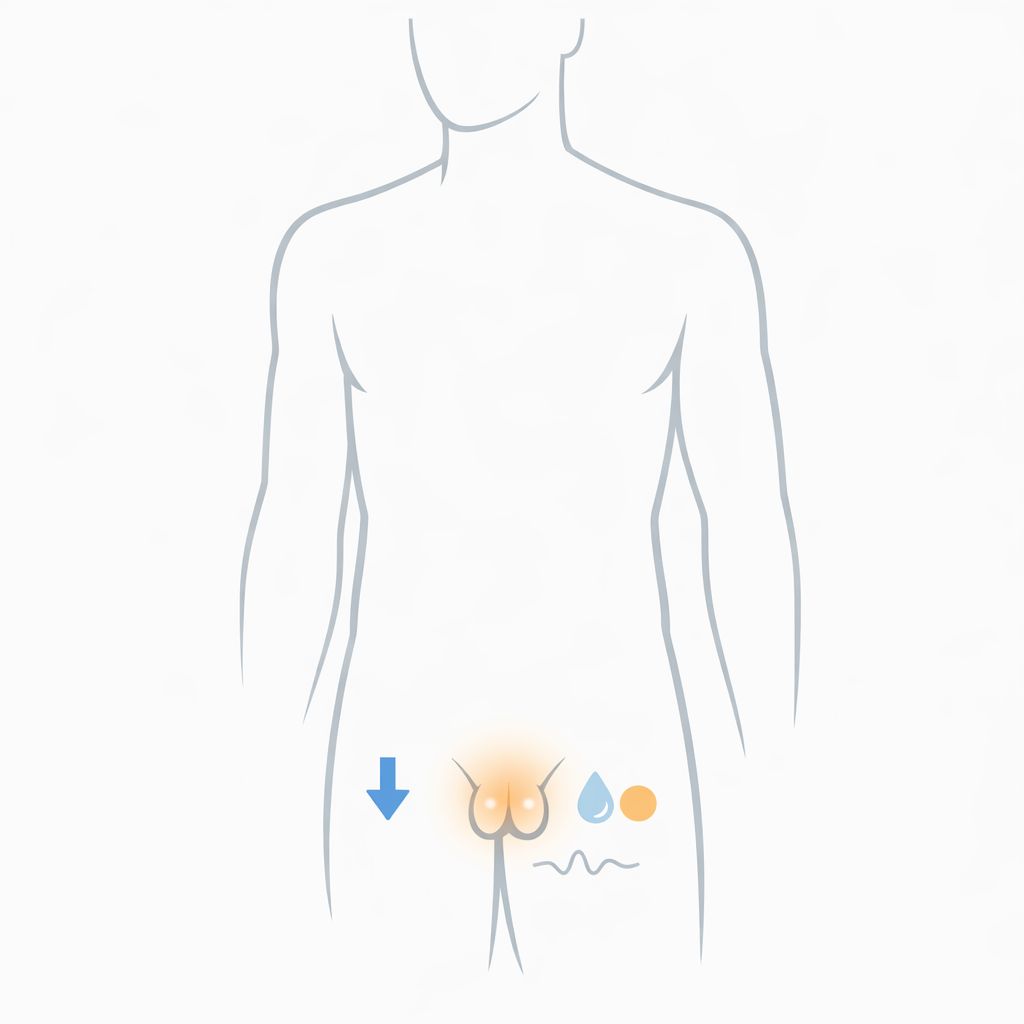
Low testosterone
Low testosterone (male hypogonadism) occurs when the testes do not produce enough testosterone, the primary male sex hormone. It plays a key role in muscle mass, bone density, fat distribution, red blood cell production and sex drive.
Testosterone levels decline gradually with age, typically by about 1-2% per year after the age of 30. However, significantly low levels can cause noticeable symptoms including:
- Reduced libido and erectile dysfunction
- Fatigue and low mood
- Decreased muscle mass and strength
- Increased body fat and reduced bone density
Blood tests for total testosterone, free testosterone and sex hormone-binding globulin (SHBG) are used to assess testosterone status. Testing is recommended in the morning when levels are naturally at their highest.
Causes of Low testosterone
Low testosterone can be classified as primary (a problem with the testes) or secondary (a problem with the pituitary gland or hypothalamus).
Primary causes:
- Klinefelter syndrome, a genetic condition in which a male is born with an extra X chromosome
- Undescended testes
- Injury or infection affecting the testes (such as mumps orchitis)
- Cancer treatment (chemotherapy or radiotherapy) affecting the testes
Secondary causes:
- Pituitary gland disorders, including tumours (such as prolactinoma) and pituitary damage
- Obesity, which lowers testosterone through increased conversion to oestrogen in fat tissue and suppression of pituitary signalling
- Chronic conditions such as type 2 diabetes, chronic kidney disease and liver cirrhosis
- Medications including opioids, corticosteroids and certain hormonal treatments
- Excessive alcohol consumption
Age-related decline in testosterone is normal and should be distinguished from pathological hypogonadism through careful clinical assessment and repeat blood testing.
Tests that can help check this condition
 Learn more on the official NHS page .
Clinical review

Dr. Shahzaib Ahmad MBBS, BSc, MRCP, FRCA, FFICM
Clinical Supervisor - Vitall|GMC 7495062|Profile
Reviewed on 13/10/2026
Next review due 13/10/2027
Review focus: Blood biomarkers, laboratory testing methodology, and biochemical interpretation.
