
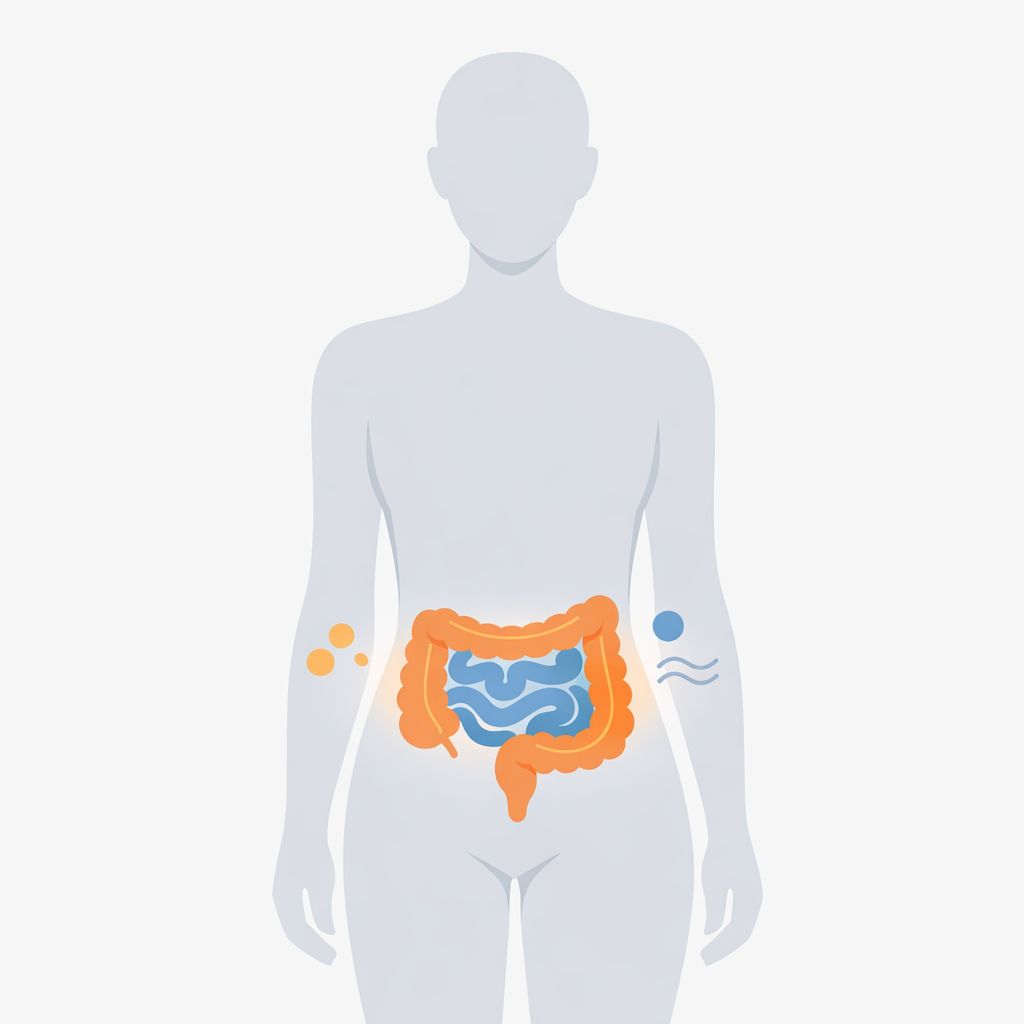
Inflammatory bowel disease
Inflammatory bowel disease (IBD) is a term used to describe two main conditions: Crohn's disease and ulcerative colitis. Both involve chronic inflammation of the gastrointestinal tract and tend to follow a relapsing-remitting pattern.
Crohn's disease can affect any part of the digestive system, from the mouth to the anus. Ulcerative colitis is limited to the large intestine (colon) and rectum. Both conditions are thought to involve an abnormal immune response, though the exact cause remains unclear.
Common symptoms include:
- Persistent diarrhoea, sometimes with blood or mucus
- Abdominal pain and cramping
- Fatigue and unintentional weight loss
Faecal calprotectin is a highly sensitive stool test used to distinguish IBD from non-inflammatory conditions such as irritable bowel syndrome (IBS). Elevated calprotectin levels indicate intestinal inflammation and help guide the decision about whether further investigation, such as endoscopy, is needed.
Causes of Inflammatory bowel disease
The exact cause of inflammatory bowel disease is not fully understood. Current evidence suggests it results from a complex interaction between genetic susceptibility, the immune system and environmental triggers.
- Immune system dysfunction is central. In IBD, the immune system appears to mount an abnormal inflammatory response against the gut's own tissue, possibly triggered by normal gut bacteria
- Genetics play an important role. Over 200 gene variants have been associated with IBD. Having a first-degree relative with IBD increases your risk significantly
- Environmental factors that may contribute include smoking (which increases the risk of Crohn's disease but, paradoxically, may be protective in ulcerative colitis), previous gastrointestinal infections, diet and early-life antibiotic use
- Gut microbiome imbalances have been observed in people with IBD. Research suggests that changes in the composition and diversity of gut bacteria may play a contributing role
IBD is not caused by stress or diet alone, though both can influence symptom flare-ups.
Tests that can help check this condition
 Learn more on the official NHS page .
Clinical review

Dr. Shahzaib Ahmad MBBS, BSc, MRCP, FRCA, FFICM
Clinical Supervisor - Vitall|GMC 7495062|Profile
Reviewed on 13/10/2026
Next review due 13/10/2027
Review focus: Blood biomarkers, laboratory testing methodology, and biochemical interpretation.
