
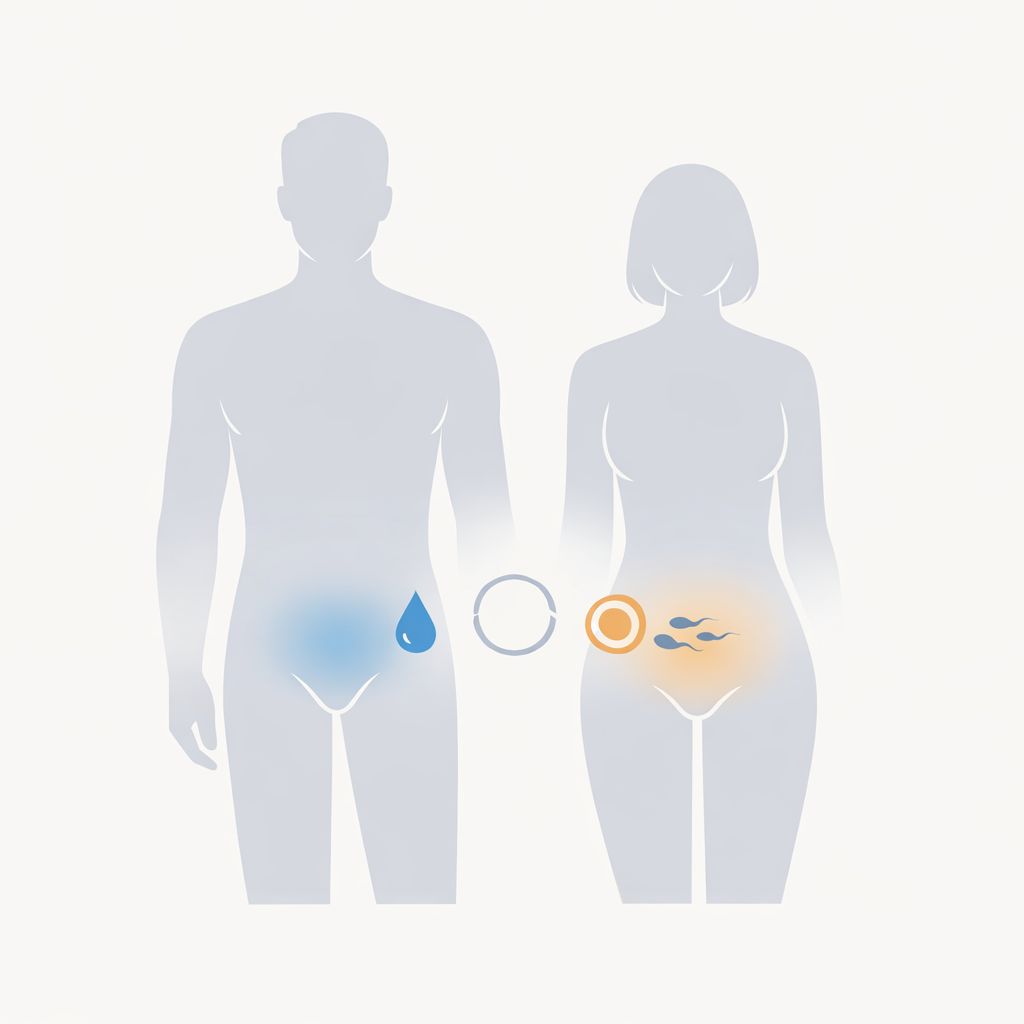
Infertility
Infertility is defined as not being able to conceive after 12 months or more of regular unprotected intercourse. It affects approximately 1 in 7 couples in the UK and can involve factors related to either partner, or sometimes both.
In women, common causes include problems with ovulation, blocked fallopian tubes, endometriosis and age-related decline in egg quality. In men, low sperm count, poor sperm motility or abnormal sperm morphology are frequent contributors.
Hormonal blood tests play an important role in fertility assessment. Key markers include:
- Follicle-stimulating hormone (FSH) and luteinising hormone (LH) to evaluate ovarian and testicular function
- Anti-Mullerian hormone (AMH) to estimate ovarian reserve
- Progesterone to confirm whether ovulation has occurred
Understanding your hormonal profile provides a clearer picture of reproductive health and helps guide decisions about next steps, whether that involves lifestyle adjustments, medical treatment or assisted conception.
Causes of Infertility
Infertility can result from factors affecting either partner. In about a third of cases the cause relates to the woman, in a third to the man, and in the remaining third either both partners are affected or no specific cause is found.
Common causes in women:
- Ovulation disorders, including polycystic ovary syndrome (PCOS), which is the most common cause of anovulation
- Fallopian tube damage or blockage, often resulting from pelvic inflammatory disease or endometriosis
- Endometriosis, where tissue similar to the womb lining grows outside the uterus
- Age-related decline in egg quality and quantity, which accelerates notably after 35
- Uterine or cervical abnormalities, including fibroids
Common causes in men:
- Low sperm count or poor sperm motility
- Abnormal sperm morphology
- Varicocele (swollen veins in the scrotum)
- Hormonal imbalances affecting testosterone or FSH production
- Previous infections, surgery or injury affecting the reproductive tract
Lifestyle factors such as smoking, excessive alcohol, obesity, stress and exposure to environmental toxins can affect fertility in both sexes.
Tests that can help check this condition
 Learn more on the official NHS page .
Clinical review

Dr. Shahzaib Ahmad MBBS, BSc, MRCP, FRCA, FFICM
Clinical Supervisor - Vitall|GMC 7495062|Profile
Reviewed on 13/10/2026
Next review due 13/10/2027
Review focus: Blood biomarkers, laboratory testing methodology, and biochemical interpretation.
