
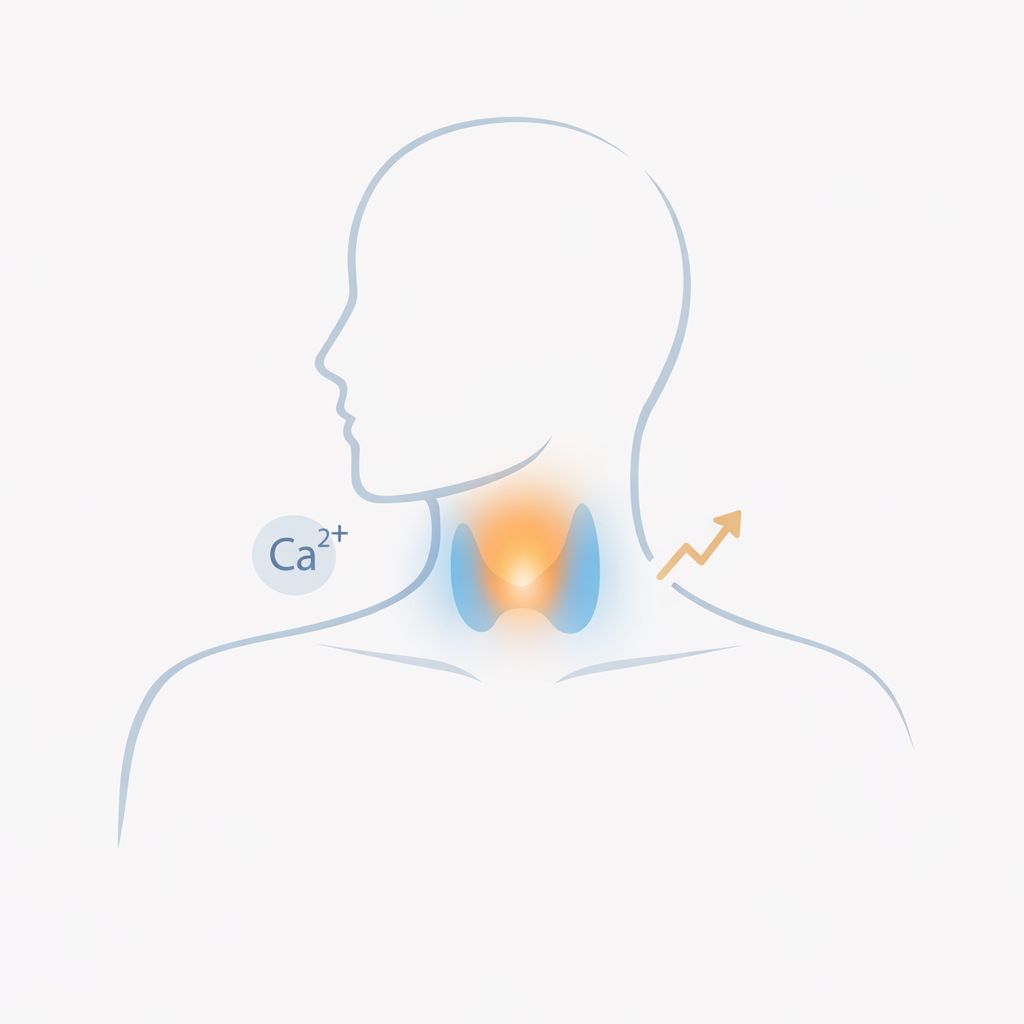
Hypercalcaemia
Hypercalcaemia is a condition in which the level of calcium in the blood is higher than normal. Calcium plays a vital role in bone health, nerve signalling and muscle function, but too much of it in the bloodstream can cause problems.
The most common cause is overactivity of the parathyroid glands (primary hyperparathyroidism), though it can also result from certain cancers, excessive vitamin D intake and some medications. Many people with mild hypercalcaemia experience no symptoms at all and are diagnosed through routine blood tests.
When symptoms do occur, they may include:
- Excessive thirst and frequent urination
- Nausea, vomiting or constipation
- Fatigue, muscle weakness or bone pain
- Confusion or difficulty concentrating
Persistent hypercalcaemia can lead to kidney stones and weakening of the bones if left unaddressed. Treatment depends on the underlying cause and the severity of the calcium elevation.
Causes of Hypercalcaemia
The most common cause of hypercalcaemia is primary hyperparathyroidism, a condition in which one or more of the parathyroid glands become overactive and release too much parathyroid hormone (PTH). This causes excessive calcium to be released from the bones into the bloodstream.
Other causes include:
- Certain cancers, particularly lung, breast and blood cancers such as myeloma, which can cause calcium to leach from the bones or produce PTH-like proteins
- Excessive intake of vitamin D or calcium supplements
- Medications such as thiazide diuretics and lithium
- Granulomatous conditions such as sarcoidosis, in which immune cells produce excess active vitamin D
- Prolonged immobility, which accelerates bone breakdown
Less commonly, overactive thyroid, adrenal insufficiency and rare genetic conditions such as familial hypocalciuric hypercalcaemia can also raise calcium levels.
Tests that can help check this condition
 Learn more on the official NHS page .
Clinical review

Dr. Shahzaib Ahmad MBBS, BSc, MRCP, FRCA, FFICM
Clinical Supervisor - Vitall|GMC 7495062|Profile
Reviewed on 13/10/2026
Next review due 13/10/2027
Review focus: Blood biomarkers, laboratory testing methodology, and biochemical interpretation.
