
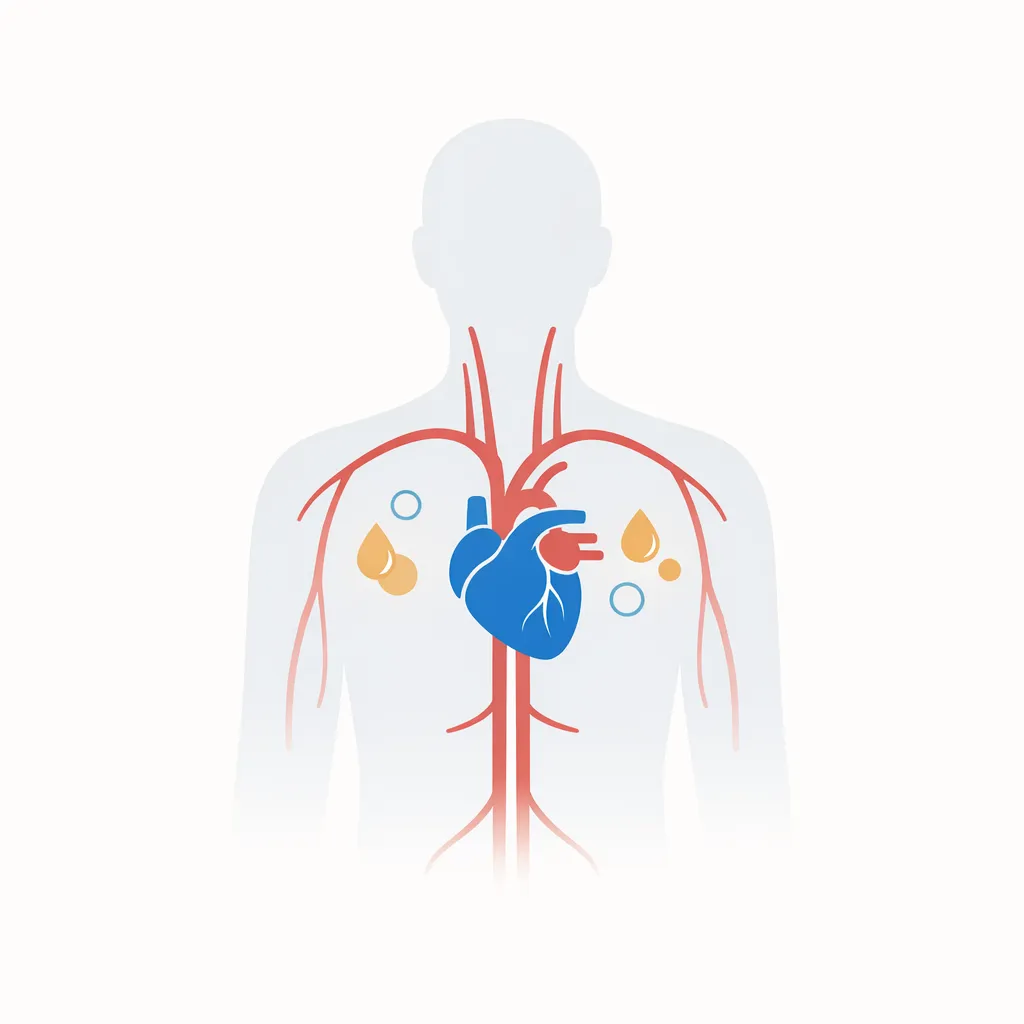
High cholesterol
High cholesterol means there is too much cholesterol in the blood. Cholesterol is a fatty substance produced by the liver and also found in certain foods. While it is essential for building healthy cells, producing hormones and making vitamin D, excess cholesterol can build up in artery walls and increase cardiovascular risk.
There are no symptoms of high cholesterol. The only way to know your levels is through a blood test. A standard lipid panel measures total cholesterol, HDL (often called good cholesterol), LDL (often called bad cholesterol) and triglycerides.
Risk factors include:
- A diet high in saturated fat
- Lack of physical activity
- Smoking and excessive alcohol intake
- Family history of high cholesterol or early heart disease
Additional markers such as apolipoprotein B, lipoprotein(a) and non-HDL cholesterol can provide a more detailed assessment of cardiovascular risk. Lifestyle changes remain the first line of management, with medication considered when risk is elevated.
Causes of High cholesterol
Cholesterol levels are influenced by a combination of lifestyle, genetics and underlying health conditions.
Lifestyle factors:
- A diet high in saturated fats (found in fatty cuts of meat, butter, cheese, pastries and biscuits) raises LDL cholesterol
- Physical inactivity reduces HDL cholesterol and impairs the body's ability to process fats efficiently
- Smoking damages blood vessel walls, making it easier for cholesterol to accumulate, and lowers HDL cholesterol
- Excessive alcohol intake can raise triglyceride and total cholesterol levels
- Being overweight or obese, particularly carrying excess weight around the abdomen, is associated with higher LDL and triglycerides and lower HDL
Genetic factors:
- Familial hypercholesterolaemia (FH) is an inherited condition that causes very high LDL cholesterol from birth, regardless of diet. It affects around 1 in 250 people in the UK and significantly increases cardiovascular risk if untreated
- Elevated lipoprotein(a) is a genetically determined risk factor that cannot be modified through lifestyle changes alone
Certain medical conditions, including type 2 diabetes, hypothyroidism, kidney disease and liver disease, can also raise cholesterol levels.
Tests that can help check this condition
 Learn more on the official NHS page .
Clinical review

Dr. Shahzaib Ahmad MBBS, BSc, MRCP, FRCA, FFICM
Clinical Supervisor - Vitall|GMC 7495062|Profile
Reviewed on 12/10/2026
Next review due 12/10/2027
Review focus: Blood biomarkers, laboratory testing methodology, and biochemical interpretation.
