
Heart failure
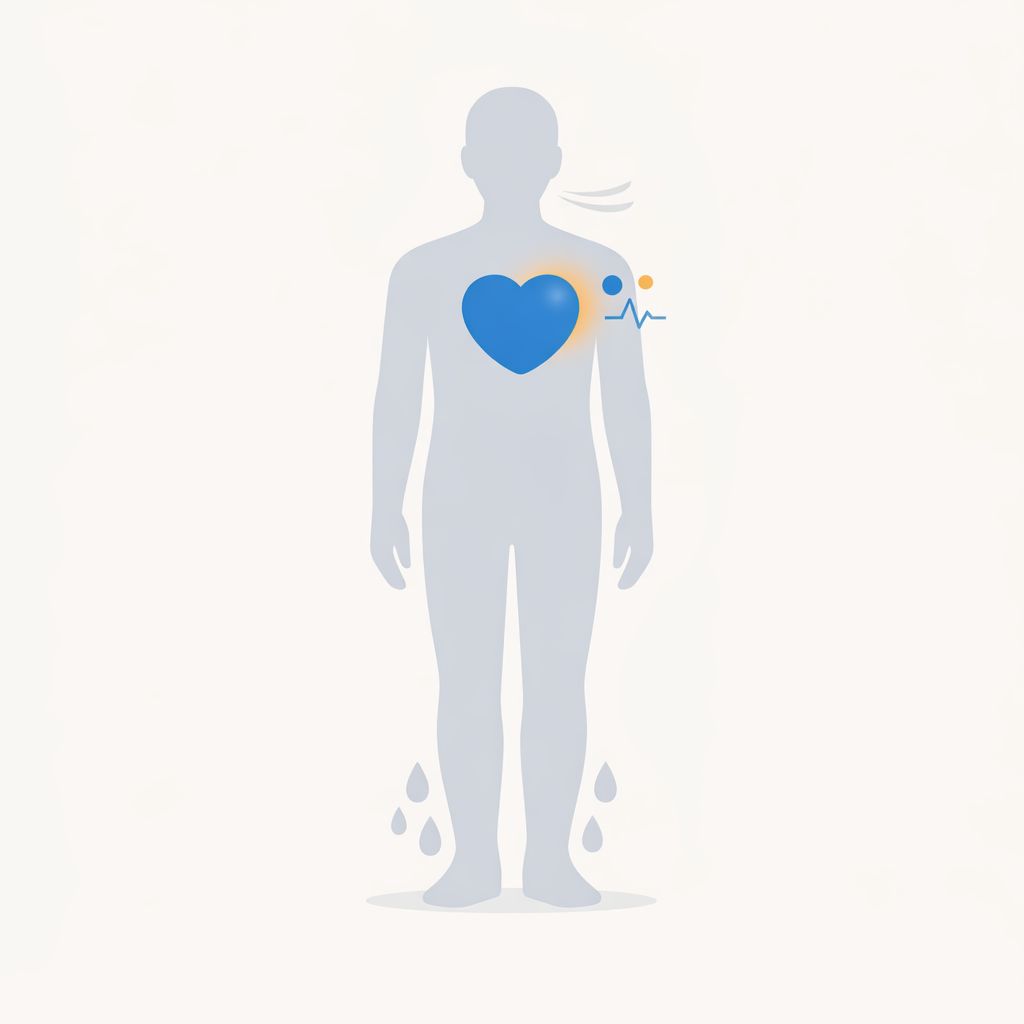
Heart failure means that the heart is unable to pump blood around the body as efficiently as it should. It does not mean the heart has stopped working, but rather that it needs support to function properly.
Common causes include coronary heart disease, high blood pressure, heart valve problems and cardiomyopathy. Heart failure can affect the left side, right side, or both sides of the heart.
Symptoms may include:
- Breathlessness, particularly during activity or when lying down
- Persistent fatigue
- Swollen ankles, legs and abdomen
- A persistent cough, sometimes with frothy or blood-tinged sputum
NT-proBNP is a blood test used to help diagnose or rule out heart failure. It measures a protein released by the heart when it is under strain. A normal NT-proBNP level makes heart failure very unlikely. Elevated levels prompt further investigation with echocardiography and specialist assessment.
Causes of Heart failure
Heart failure develops when the heart muscle becomes weakened or stiffened, reducing its ability to pump effectively.
The most common causes are:
- Coronary heart disease, particularly following a heart attack that has damaged part of the heart muscle
- High blood pressure, which forces the heart to work harder over many years, causing it to thicken and weaken
- Cardiomyopathy (disease of the heart muscle), which can be inherited, caused by infections, alcohol misuse or unknown factors
- Heart valve disease, which forces the heart to work harder to compensate for valves that do not open or close properly
- Heart rhythm disorders (arrhythmias), particularly long-standing atrial fibrillation
Other contributing factors include diabetes, obesity, anaemia, thyroid disorders and excessive alcohol consumption. Heart failure is more common over the age of 65 and affects men more than women.
Tests that can help check this condition
 Learn more on the official NHS page .
Clinical review

Dr. Shahzaib Ahmad MBBS, BSc, MRCP, FRCA, FFICM
Clinical Supervisor - Vitall|GMC 7495062|Profile
Reviewed on 13/10/2026
Next review due 13/10/2027
Review focus: Blood biomarkers, laboratory testing methodology, and biochemical interpretation.
