
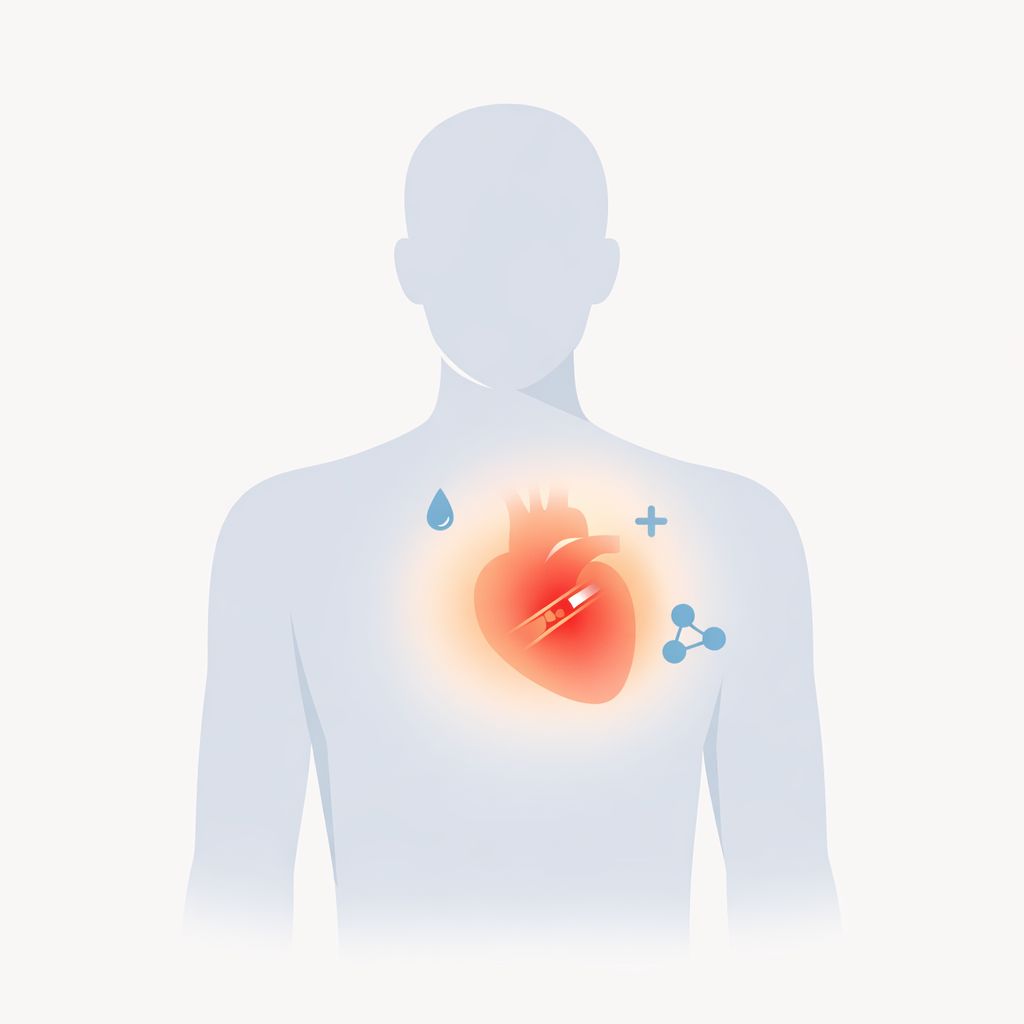
Heart attack
A heart attack (myocardial infarction) occurs when the blood supply to part of the heart muscle is suddenly blocked, usually by a blood clot forming in a coronary artery. Without prompt treatment, the affected heart muscle begins to die.
Symptoms can include:
- Chest pain or tightness, often described as a sensation of pressure or squeezing
- Pain spreading to the arms, jaw, neck, back or stomach
- Shortness of breath, sweating and feeling lightheaded
- Nausea or vomiting
A heart attack is a medical emergency. If you suspect you or someone else is having a heart attack, call 999 immediately.
Troponin T is a protein released into the blood when heart muscle is damaged. It is the most sensitive and specific blood marker for diagnosing a heart attack. Creatine kinase (CK) may also be elevated following cardiac or skeletal muscle injury.
Causes of Heart attack
A heart attack occurs when a coronary artery becomes blocked, cutting off blood supply to part of the heart muscle. The most common mechanism is the rupture of an atherosclerotic plaque (a build-up of fatty material in the artery wall), which triggers the formation of a blood clot that obstructs the artery.
The underlying condition, coronary heart disease, develops over many years. Risk factors include:
- Smoking
- High blood pressure
- High cholesterol, particularly elevated LDL cholesterol
- Type 2 diabetes
- Obesity and physical inactivity
- Family history of heart disease, especially at a young age
- Excessive alcohol consumption
Less common causes of heart attack include coronary artery spasm, spontaneous coronary artery dissection (SCAD) and, rarely, embolism from elsewhere in the body.
Tests that can help check this condition
 Learn more on the official NHS page .
Clinical review

Dr. Shahzaib Ahmad MBBS, BSc, MRCP, FRCA, FFICM
Clinical Supervisor - Vitall|GMC 7495062|Profile
Reviewed on 13/10/2026
Next review due 13/10/2027
Review focus: Blood biomarkers, laboratory testing methodology, and biochemical interpretation.
