
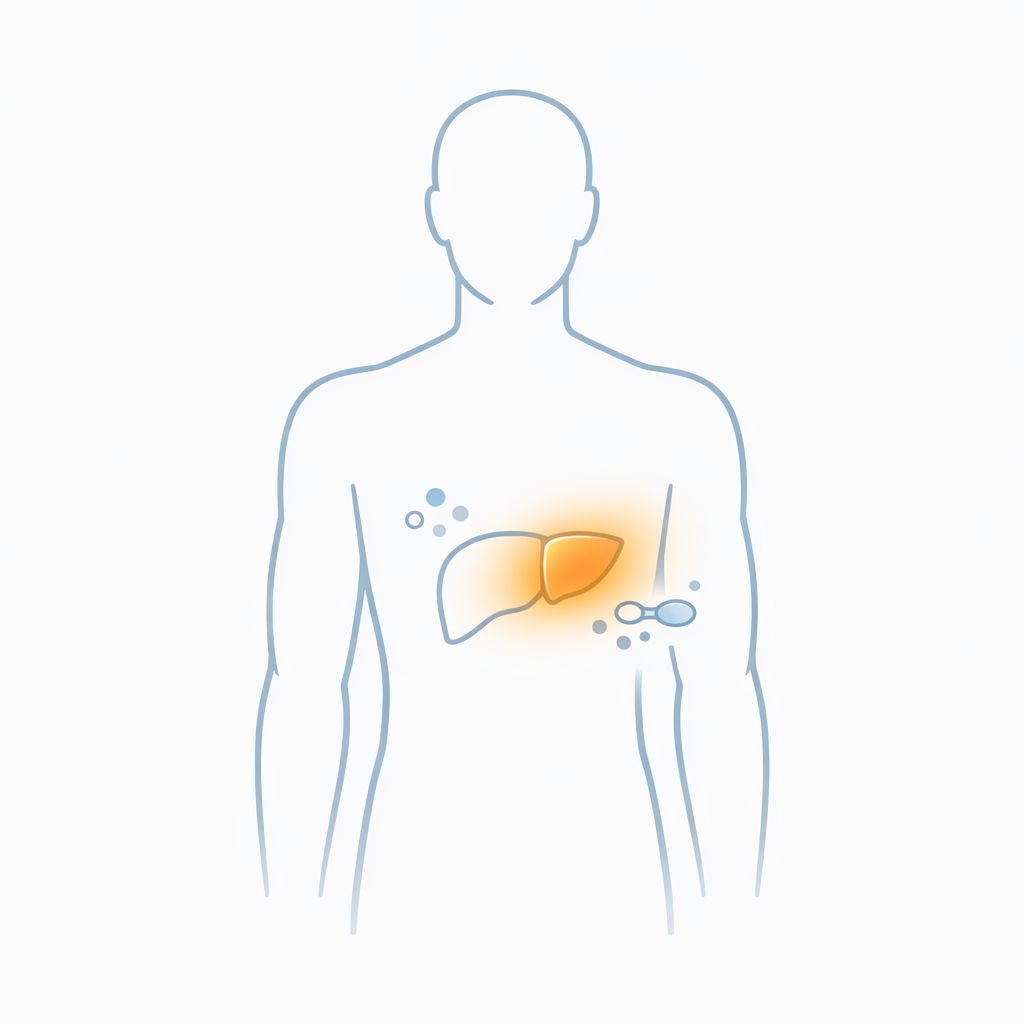
Haemochromatosis
Haemochromatosis is a genetic condition in which the body absorbs too much iron from food. Over time, excess iron builds up in organs including the liver, heart, pancreas and joints, potentially causing serious damage.
It is one of the most common inherited conditions in the UK, though many people are unaware they carry the gene mutations responsible. Symptoms often develop gradually between the ages of 30 and 60 and may include fatigue, joint pain, abdominal pain, darkening of the skin and loss of libido.
Transferrin saturation is a key blood test used to screen for haemochromatosis. A raised level suggests the body is absorbing more iron than it needs. Ferritin levels indicate how much iron is being stored. Both are measured to assess iron overload and guide treatment.
Treatment involves regular venesection (blood removal) to reduce iron stores to normal levels, which prevents further organ damage.
Causes of Haemochromatosis
Haemochromatosis is caused by inherited mutations in the HFE gene, most commonly the C282Y mutation. When two copies of this mutation are present (homozygosity), the body absorbs excess iron from the diet because the normal regulatory mechanism is impaired.
Key genetic points:
- The C282Y homozygous genotype is the most common cause. Around 1 in 150 to 200 people of Northern European descent carry two copies of this mutation
- The H63D variant is less strongly associated with iron overload and usually causes problems only when combined with C282Y
- Not everyone with the genetic mutations develops clinically significant iron overload (reduced penetrance)
Iron accumulates slowly over years and can damage the liver (causing fibrosis and cirrhosis), pancreas (causing diabetes), heart (causing cardiomyopathy), joints (causing arthritis) and endocrine glands (causing hormonal imbalances). Men typically develop symptoms earlier because women lose iron through menstruation and pregnancy.
Tests that can help check this condition
 Learn more on the official NHS page .
Clinical review

Dr. Shahzaib Ahmad MBBS, BSc, MRCP, FRCA, FFICM
Clinical Supervisor - Vitall|GMC 7495062|Profile
Reviewed on 12/10/2026
Next review due 12/10/2027
Review focus: Blood biomarkers, laboratory testing methodology, and biochemical interpretation.
