
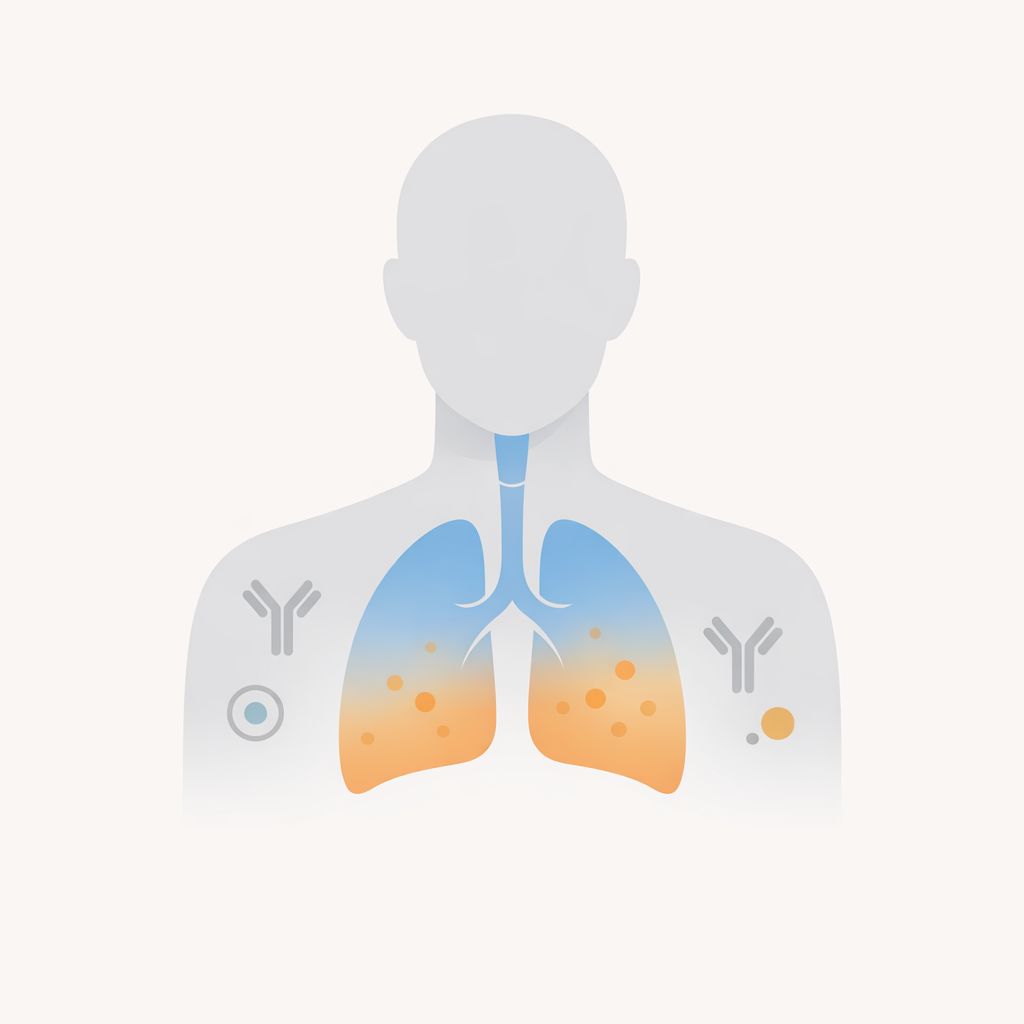
COVID-19
COVID-19 is an infectious disease caused by the SARS-CoV-2 virus. It primarily spreads through respiratory droplets and aerosols produced when an infected person coughs, sneezes, talks or breathes.
Symptoms can range from mild to severe and may include a high temperature, a new continuous cough, fatigue, muscle aches, loss of taste or smell, sore throat and shortness of breath. Some people experience prolonged symptoms, known as long COVID.
Antibody tests (IgG and IgM) detect whether the immune system has mounted a response to the virus, indicating previous infection or vaccination. Antigen tests (SARS-CoV-2 RNA/PCR) detect the presence of the virus itself and are used to confirm active infection.
Causes of COVID-19
COVID-19 is caused by infection with the SARS-CoV-2 virus, which belongs to the coronavirus family. The virus enters the body through the airways and binds to ACE2 receptors on the surface of cells, primarily in the respiratory tract.
Transmission occurs through:
- Inhaling respiratory droplets or aerosols from an infected person
- Close personal contact
- Touching contaminated surfaces and then touching the face (less common)
Factors associated with more severe disease include older age, obesity, diabetes, cardiovascular disease, chronic lung disease, immunosuppression and being unvaccinated. COVID-19 antibody tests detect past infection or immune response to vaccination but do not confirm active infection.
Tests that can help check this condition
 Learn more on the official NHS page .
Clinical review

Dr. Shahzaib Ahmad MBBS, BSc, MRCP, FRCA, FFICM
Clinical Supervisor - Vitall|GMC 7495062|Profile
Reviewed on 13/10/2026
Next review due 13/10/2027
Review focus: Blood biomarkers, laboratory testing methodology, and biochemical interpretation.
