
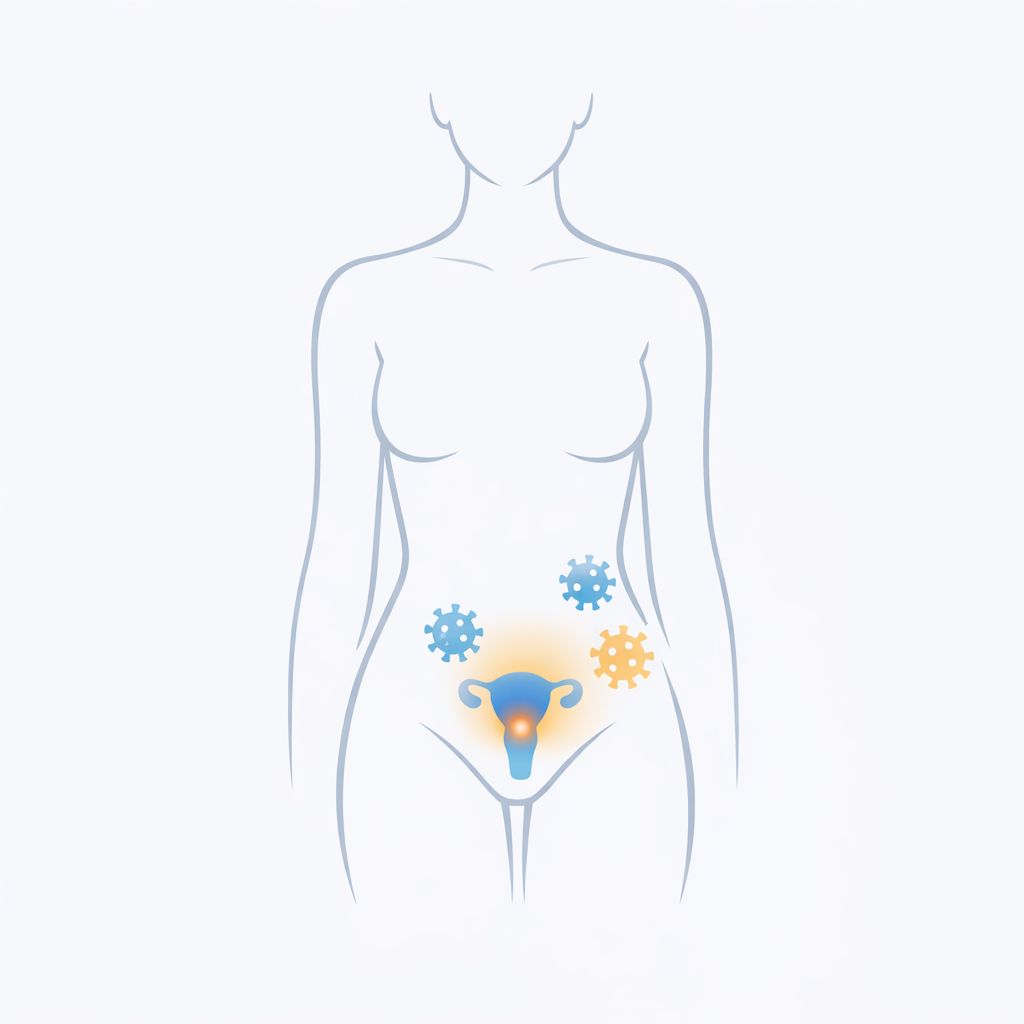
Cervical cancer
Cervical cancer develops in the cells of the cervix (the lower part of the uterus). Almost all cases are caused by persistent infection with high-risk types of human papillomavirus (HPV).
Cervical cancer often has no symptoms in its early stages. When symptoms do appear, they may include unusual vaginal bleeding (between periods, after sex or after the menopause), unusual vaginal discharge and pain during sex.
The NHS Cervical Screening Programme (smear test) checks for HPV infection in cervical cells. The HPV (high-risk) genotype assay identifies the specific high-risk HPV types most strongly associated with cervical cancer, including HPV 16 and 18, which together account for around 70% of cases.
HPV vaccination, now offered to all children aged 12 to 13, provides strong protection against the most common cancer-causing HPV types. Regular screening remains important even for those who have been vaccinated.
Causes of Cervical cancer
Cervical cancer is caused by persistent infection with high-risk types of human papillomavirus (HPV). HPV is extremely common and is transmitted through sexual contact. Most HPV infections clear naturally within two years, but in a small number of women the virus persists and causes changes in cervical cells that can progress to cancer over 10 to 20 years.
HPV types 16 and 18 are responsible for the majority of cervical cancers. Other risk factors include:
- Smoking, which impairs the immune system's ability to clear HPV
- A weakened immune system, including from HIV infection
- Long-term use of the combined oral contraceptive pill (a modest increase in risk)
- Having multiple sexual partners (increases HPV exposure)
- Not attending cervical screening
Tests that can help check this condition
 Learn more on the official NHS page .
Clinical review

Dr. Shahzaib Ahmad MBBS, BSc, MRCP, FRCA, FFICM
Clinical Supervisor - Vitall|GMC 7495062|Profile
Reviewed on 13/10/2026
Next review due 13/10/2027
Review focus: Blood biomarkers, laboratory testing methodology, and biochemical interpretation.
