
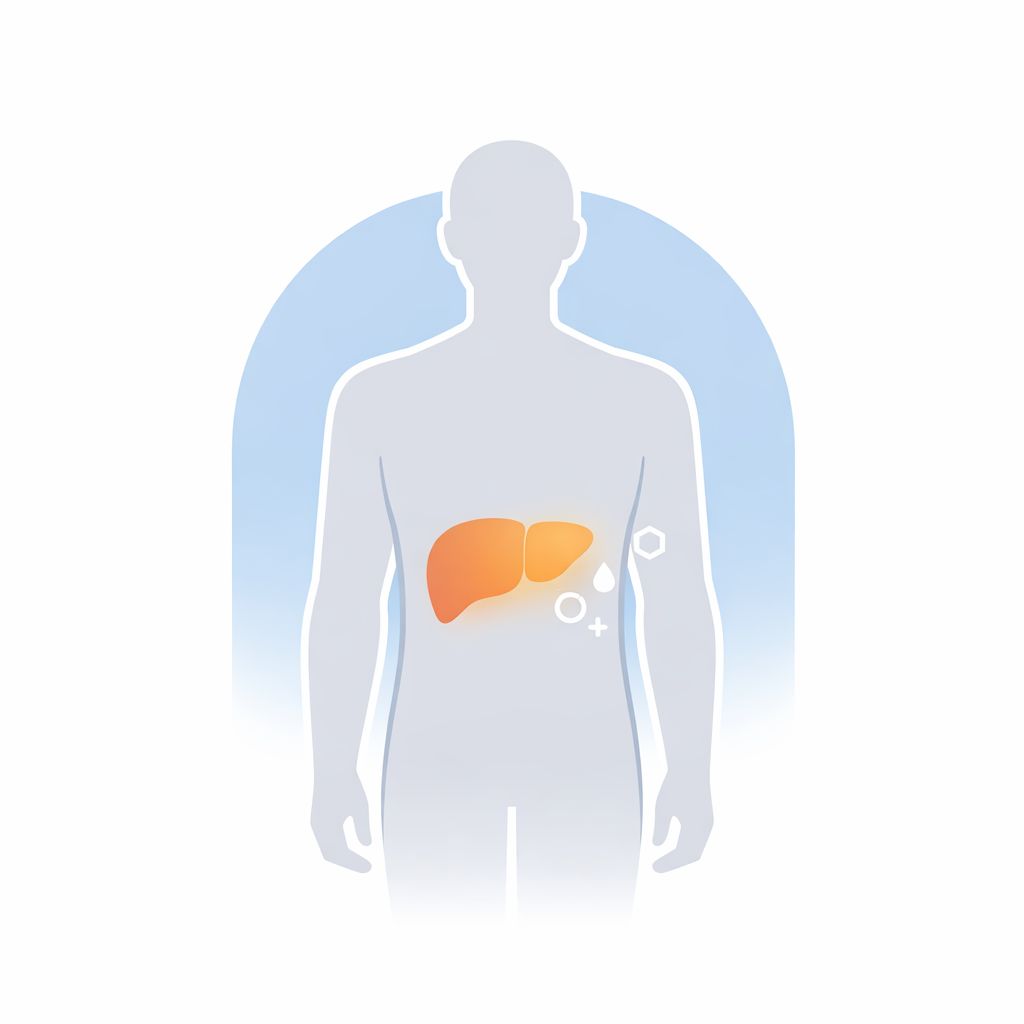
Alcohol misuse
Alcohol misuse refers to drinking in a way that is harmful to health. This includes both regular heavy drinking and episodes of binge drinking. The NHS advises that both men and women should not regularly drink more than 14 units of alcohol per week.
Long-term alcohol misuse can damage multiple organs, with the liver being particularly vulnerable. It is also associated with increased risk of cardiovascular disease, pancreatitis, certain cancers and mental health conditions.
Blood biomarkers used to assess alcohol consumption include:
- Carbohydrate deficient transferrin (CDT), which rises with sustained heavy drinking
- Phosphatidylethanol (PEth), a direct biomarker that reflects alcohol intake over the preceding two to four weeks
- Gamma-glutamyl transferase (GGT) and mean corpuscular volume (MCV), which may be elevated with chronic alcohol use
These markers can provide objective evidence of recent alcohol consumption and are used in clinical and monitoring settings. If you are concerned about your drinking, your GP can offer confidential advice and support.
Causes of Alcohol misuse
Elevated alcohol biomarkers indicate recent or sustained alcohol consumption. The level detected reflects both the quantity of alcohol consumed and the timeframe over which it was consumed.
Factors that contribute to harmful levels of alcohol use include:
- Habitual drinking patterns that gradually increase over time, often without the individual recognising the escalation
- Mental health conditions such as depression, anxiety and PTSD, where alcohol may be used to manage symptoms
- Social and cultural factors, including normalised heavy drinking in certain social or professional settings
- Genetic predisposition, as variations in enzymes that metabolise alcohol can influence tolerance and dependence risk
- Stressful life events such as bereavement, relationship breakdown or job loss
Alcohol dependence is a medical condition characterised by a strong urge to drink, difficulty controlling intake and withdrawal symptoms when stopping. Effective treatment and support are available through the NHS and specialist alcohol services.
Tests that can help check this condition
 Learn more on the official NHS page .
Clinical review

Dr. Shahzaib Ahmad MBBS, BSc, MRCP, FRCA, FFICM
Clinical Supervisor - Vitall|GMC 7495062|Profile
Reviewed on 13/10/2026
Next review due 13/10/2027
Review focus: Blood biomarkers, laboratory testing methodology, and biochemical interpretation.
